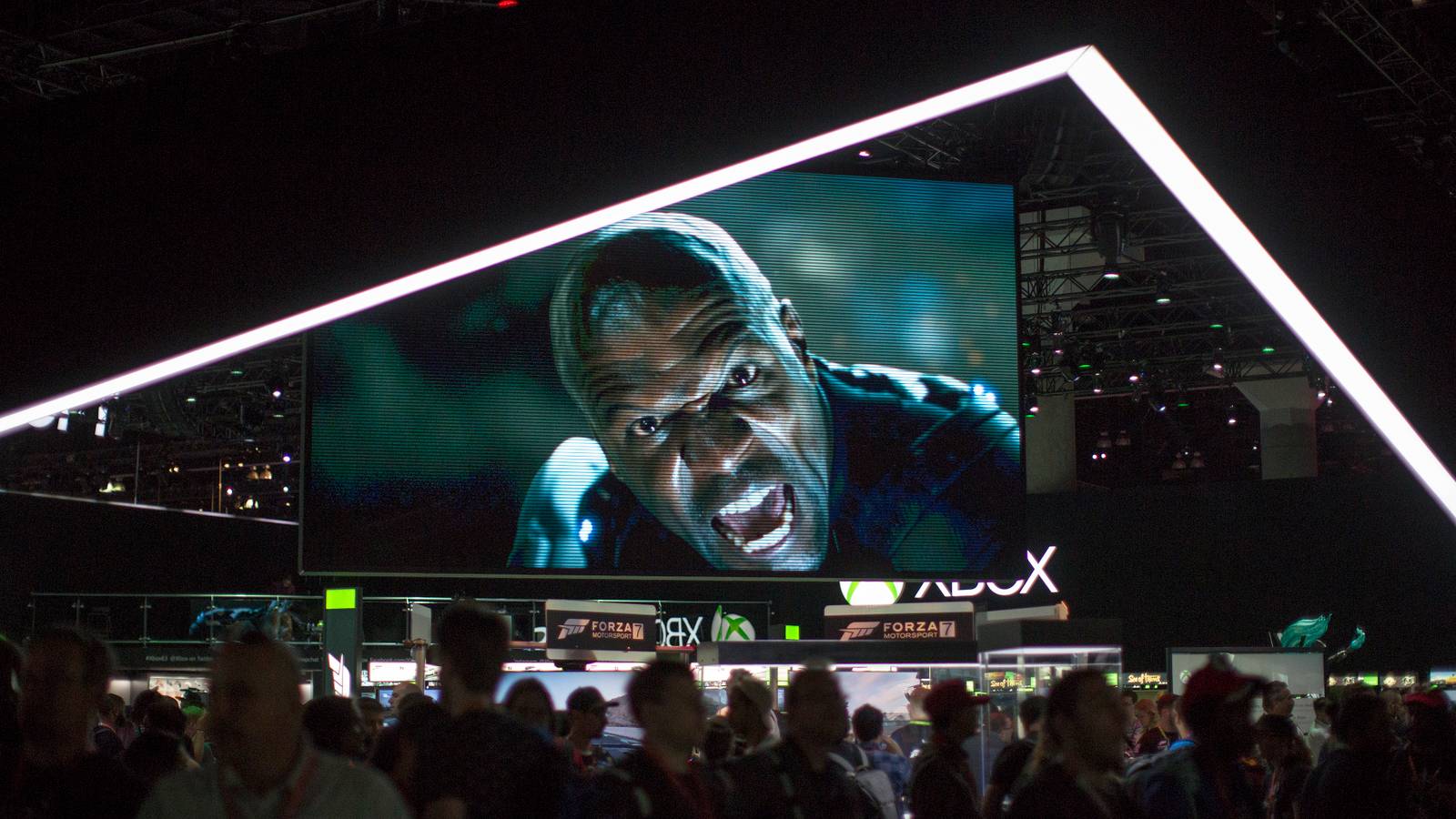
Image source: Competitor Portal / Google News (Used for representation purposes only)
Is Big Video Game Hype Dead Forever?
The traditional era of massive gaming hype shows and theatrical summer sizzle reels is fading fast as extended development cycles force major publishers to rethink how they reveal upcoming AAA games to players.
I'll confess my own guilty weakness right upfront: I have a soft spot for corporate hype events. God, I miss E3, and seeing Hollywood flex its muscle with CinemaCon updates this month made me reflect on how broken our own gaming reveal culture has become.
If you've been scanning every major gaming news update lately, you've probably felt that distinct void where mid-summer hype trains used to run on full steam. We used to get giant stage shows loaded with cinematic trailers for titles coming out five years down the line.
Now? We get quiet blog drops, direct streams with zero crowd noise, and studios keeping their heads down until a game is almost ready to ship.
Why Hollywood Events Highlight Gaming's PR Problem
When film studios show off upcoming theatrical slates at events like CinemaCon, they do it with firm release dates and tight two-year turnarounds. The movie industry can announce a film, shoot it, run post-production, and drop it in theaters while the initial excitement is still warm.
In contrast, modern AAA games suffer under an ever-swelling development cycle that stretches anywhere from six to eight years. Announcing a blockbuster project in pre-production today means asking players to hold their breath until the next decade.
We saw this exact problem hit previous console showcase cycles hard. Remember cinematic teasers that amounted to little more than a polished logo and a title string?
When those titles finally show up six years later, half the original dev team has shuffled during studio restructuring, and the target hardware target has shifted entirely. That gap creates a massive creative hangover that leaves players exhausted before they even touch a controller.
Video analysis
The Shift From CGI Dreams to Playable Reality
Publishers have learned the hard way that over-promising leads to brutal review-bombing waves and immediate community pushback. Today, players want to see actual raw combat, authentic framerate performance, and real user interface overlays before opening their digital wallets.
I spent years getting burned by vertical slice demos that looked mind-blowing on stage but turned into janky, unoptimized releases on day one. Watching the industry move away from fake target renders toward realistic hands-on previews is an overdue win for consumer protection.
Instead of five-year hype cycles, studios now prefer tight six-month marketing pushes right before release. When a game gets announced near the finish line, the vibes are good, the expectations stay grounded, and developers avoid years of pressure cooker scrutiny from impatient online forums.
Here is how the shift in game reveal strategies compares across different marketing formats today:
| Reveal Approach | Typical Window | Primary Risk | Player Benefit |
|---|---|---|---|
| Classic E3 CGI Trailer | 3 to 6 Years Before Launch | Vaporware vibes & feature cuts | High initial community excitement |
| Direct Digital Stream | 6 to 12 Months Before Launch | Narrower marketing window | Actual gameplay fidelity shown |
| Stealth Drop / Shadow Launch | Day of Release | Lower baseline awareness | Immediate playability without waiting |
Impact on Gamers and Expectations
What does this death of old-school hype mean when you fire up your PC, console, or handheld rig today?
For starters, it means fewer broken promises and less target-render deception. You spend less time tracking vague teasers and more time paying attention to titles that actually exist in playable form.
It also changes how we evaluate new hardware purchases like current-gen console refreshes or portable handheld APUs. Players are no longer buying hardware based on distant promises of what might launch in 2029; they buy based on what is available right now on digital shelves.
While it definitely sucks losing the pure, collective spectacle of classic E3 week, dropping the hot air and PR nonsense protects our wallets and our sanity. We get fewer cinematic lies and far more accurate looks at actual software performance.
Frequently Asked Questions
Here are quick answers to common community questions regarding the shift away from traditional gaming hype cycles.
Why are publishers stopping early CGI game reveals?
Ballooning AAA development cycles that now take 5 to 8 years make early reveals risky, leading to consumer fatigue and missed launch windows.
Will E3 ever return in its classic format?
No, traditional centralized showcase events like E3 have been largely replaced by direct-to-consumer streams and shorter marketing campaigns close to launch.
How are game studios marketing titles now?
Studios prefer tighter marketing windows, showing raw gameplay only 6 to 12 months before actual release dates to avoid setting unrealistic expectations.
Conclusion: Are We Better Off Without the Hype Train?
While I still miss the absurd energy of summer press conferences, stepping back from the perpetual hype machine is healthier for the whole gaming community. We get fewer delayed projects, fewer broken launch promises, and more real gameplay footage when it actually matters.
What do you think? Do you miss the wild speculation days of classic summer reveals, or are you glad publishers are keeping quiet until games are ready? Drop your thoughts in the comments below!
Frequently Asked Questions (FAQ)
Q: Why are publishers stopping early CGI game reveals?
A: Ballooning AAA development cycles that now take 5 to 8 years make early reveals risky, leading to consumer fatigue and missed launch windows.
Q: Will E3 ever return in its classic format?
A: No, traditional centralized showcase events like E3 have been largely replaced by direct-to-consumer streams and shorter marketing campaigns close to launch.
Q: How are game studios marketing titles now?
A: Studios prefer tighter marketing windows, showing raw gameplay only 6 to 12 months before actual release dates to avoid setting unrealistic expectations.
Published on: 10 August 2026 | Author: Kabir | Context source: Google News
About the Author: Written by Kabir, an avid gamer and game reviewer with 8+ years of experience across PC and console gaming.
Editorial Guidelines:
This post was researched and drafted with AI assistance. It has been reviewed, polished, and verified by our editorial staff for accuracy and first-hand insights.
Comments
Post a Comment